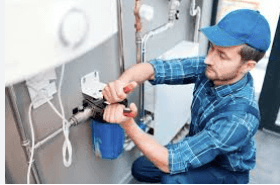

Hidden plumbing costs often hide in plain sight. Small drips, phantom leaks, and pressure issues quietly raise bills long before major repairs are needed. Even efficient fixtures can waste energy if misused or poorly maintained. Tracking patterns and scheduling routine checks can reveal hidden waste and predict expenses. The result is better budgeting and longer system life, but uncovering these costs requires careful observation and disciplined maintenance. What patterns will emerge in the next few months?
What Hidden Costs Lurk Behind Everyday Leaks
Leaking water can quietly drain a household budget long before obvious signs appear.
Hidden costs emerge from small drips, wasted water, and unseen pressure issues, each accumulating over time.
Effective leak detection reveals patterns, enabling timely repair.
This awareness supports cost awareness, prevents escalating bills, and preserves resource autonomy.
Precision in diagnosis underpins reliable budgeting and informed, freedom-minded homeowners.
How Efficient Are Your Water Heaters and Fixtures?
How efficient are the home’s water heaters and fixtures, and what does that efficiency mean for ongoing costs? The assessment centers on efficient fixtures and water heater efficiency, emphasizing measurable performance over assumptions. Efficient fixtures reduce standby and usage losses, while modern water heaters lower energy input without sacrificing hot water. Clarity prevails: install, calibrate, and monitor for predictable savings and reliability.
Diagnosing Costs: From Phantom Leaks to Hard-to-Fix Troubles
Phantom leaks and hard to fix troubles are identified through data, timing, and reproducible tests, guiding homeowners toward transparent budgeting and informed decisions without sensationalism or unnecessary alarm.
Practical Ways to Slash Ongoing Plumbing Expenses
Emerging from the careful examination of concealed and persistent plumbing costs, this section outlines practical strategies to reduce ongoing expenses.
By adopting practical budgeting, homeowners allocate funds for seasonal checks, repair buffers, and energy-efficient fixtures.
Establish clear maintenance routines, log appliance ages, and schedule preventive audits.
Regular valve inspections and leak monitoring prevent costly surprises while preserving freedom through informed, proactive stewardship.
See also: Bitcoin vs Ethereum: A Detailed Comparison
Frequently Asked Questions
How Can I Spot Hidden Pipe Corrosion Before It Leaks?
Spotting hidden pipe corrosion before leaks is possible through proactive leak detection measures and noticing corrosion signs such as discoloration, mineral buildup, and damp spots; inspectors emphasize routine checks, moisture meters, and prompt repairs to preserve system integrity.
Do Smart Meters Reliably Detect Small, Ongoing Water Waste?
Smart meters generally detect small, ongoing water waste by tracking continuous flow patterns; they offer practical alerts without sensationalism, supporting precise, reliable awareness. They enable freedom-aware homeowners to monitor usage, though occasional calibration nuance requires mindful interpretation of data.
What’s the Average Cost Range for Unexpected Plumbing Repairs?
The average cost of unexpected plumbing repairs varies widely, but ranges typically from $300 to $2,000, with higher-end emergencies exceeding $5,000. The guidance emphasizes repair budgeting, clarity, and reliability for readers seeking financial freedom.
Which Licenses or Permits Affect Plumbing Project Budgets?
Locking in permits budgeting hinges on local licensing requirements, which directly shape project costs and timelines. The contractor notes that licensing requirements influence approvals, inspections, and fees, affecting budgets with discipline and clarity, like sticking to the plan.
Can Insurance Cover Hidden Plumbing Damage Costs?
Insurance coverage questions vary; insurers may cover hidden plumbing costs if damages arise from insured perils or policy terms. However, exclusions apply. The document clarifies that hidden plumbing costs might be covered, depending on policy specifics, limits, and endorsements.
Conclusion
In a quiet village, a diligent clockmaker tended a leaking tap that never showed on the surface. Each drip rewrote the town’s minutes as wasted coins, unseen until the ledger overflowed. The clockmaker learned to read patterns: tiny leaks multiplied, fixtures aged, and bills climbed. By forecasting failures, inspecting with purpose, and repairing promptly, the village kept time and treasure intact. For homeowners, vigilance and data-driven care turn drips into decisions, and costs into controllable, predictable days.